Traditional Education vs Online Learning: Which Is Better?
Explore the differences between traditional education and online learning. Compare benefits, challenges, and outcomes to decide which learning method is better for you.
 BloggerUnic
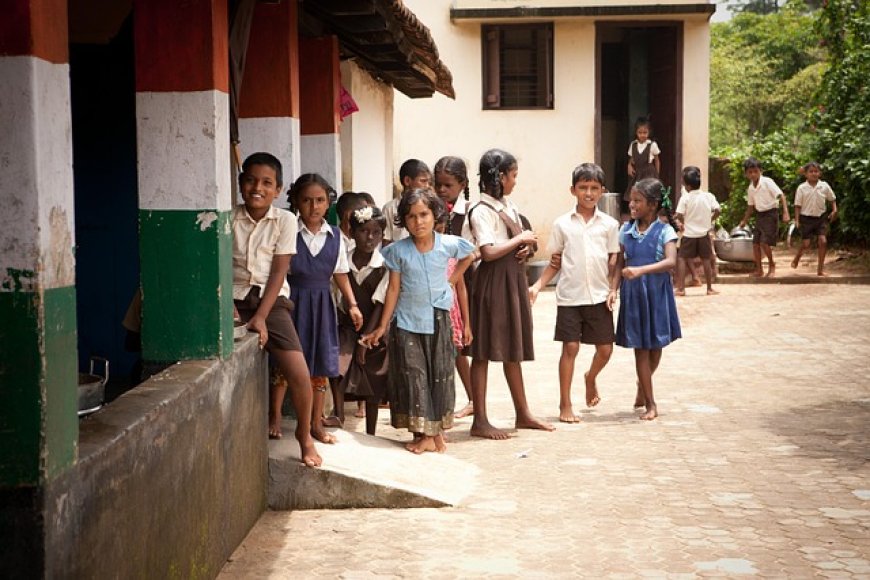
Education has evolved dramatically over the past few decades. While traditional classroom education has been the foundation of learning for generations, online learning has emerged as a powerful alternative. With technology reshaping how knowledge is delivered, many students and parents are asking the same question: Which is better—traditional education or online learning?
The answer depends on individual needs, learning styles, and goals. Let’s explore both approaches to understand their strengths and limitations.
Understanding Traditional Education
Traditional education takes place in physical classrooms where students interact face-to-face with teachers and peers. It follows a structured schedule with fixed class times, exams, and academic routines.
Advantages of Traditional Education
-
Direct interaction with teachers
-
Better classroom discipline and structure
-
Strong peer interaction and social development
-
Access to physical resources like libraries and labs
Limitations of Traditional Education
-
Limited flexibility in schedule
-
Higher costs for transportation and materials
-
One-size-fits-all teaching approach
-
Location-dependent learning
Understanding Online Learning
Online learning delivers education through digital platforms, allowing students to learn from anywhere. Courses are often self-paced or offer flexible schedules, making education more accessible.
Advantages of Online Learning
-
Flexible learning schedules
-
Learn from any location
-
Often more affordable
-
Access to a wide range of courses and global instructors
Limitations of Online Learning
-
Requires strong self-discipline
-
Limited face-to-face interaction
-
Dependence on internet connectivity
-
Less hands-on practical experience
Key Differences Between Traditional and Online Learning
| Aspect | Traditional Education | Online Learning |
|---|---|---|
| Learning Environment | Physical classroom | Virtual platforms |
| Flexibility | Fixed schedule | Highly flexible |
| Interaction | Face-to-face | Digital communication |
| Cost | Generally higher | Often lower |
| Accessibility | Location-based | Global access |
Which Learning Method Is Better?
There is no single “better” option—it depends on the learner.
-
Traditional education works best for students who thrive in structured environments and value face-to-face interaction.
-
Online learning is ideal for working professionals, remote learners, and those who prefer flexibility and self-paced study.
Many institutions now combine both methods through blended learning, offering the best of both worlds.
The Future of Education
The future of education is moving toward a hybrid model. As technology advances, online tools will continue to complement classroom teaching, creating more personalized and accessible learning experiences.
Conclusion
Traditional education and online learning both have unique advantages. Instead of choosing one over the other, learners should focus on what aligns best with their lifestyle, learning preferences, and long-term goals.
Education is not about where you learn—it’s about how effectively you learn.